What Packaging Requirements Should You Consider When Choosing a Blister Packing Machine?
Release time: 2026-09-20
Table of Contents
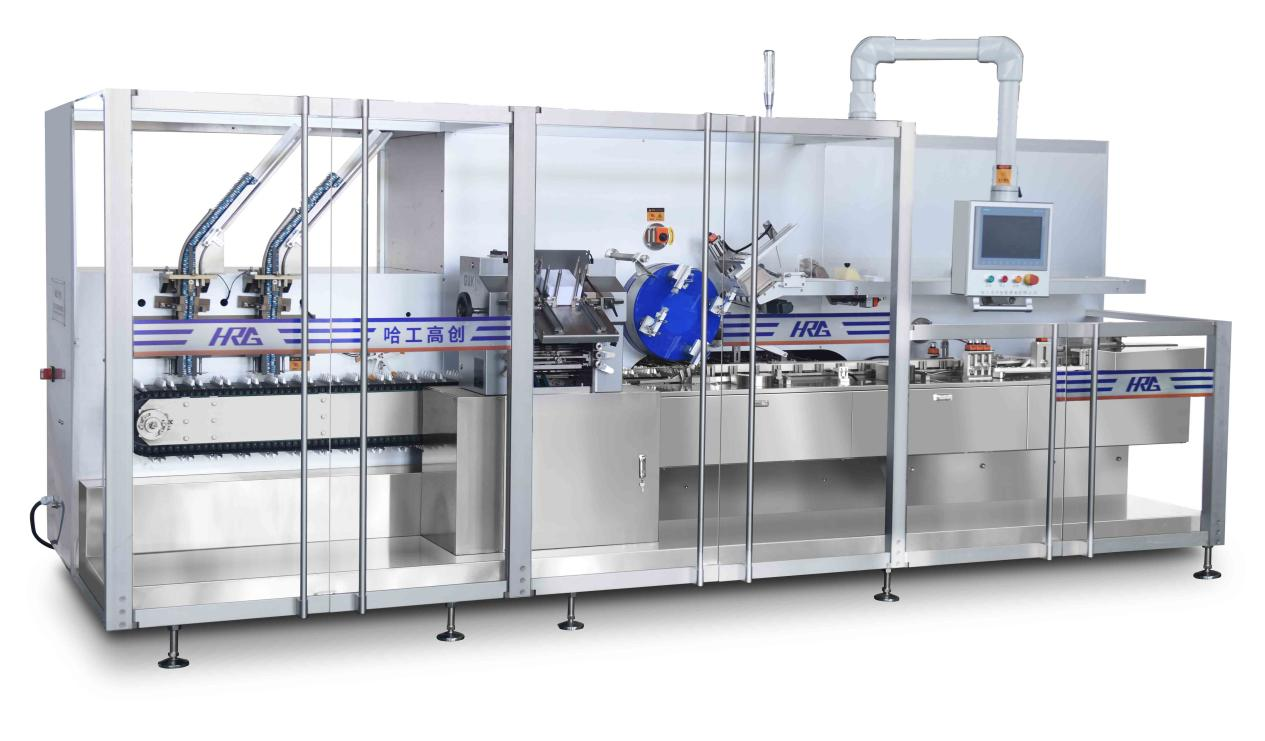
Choosing a blister packaging machine for pharmaceutical production is not simply a matter of comparing machine speed or price. Tablets and capsules have different shapes, sizes, and handling requirements, while pharmaceutical packaging also needs to provide reliable protection and consistent sealing. The right equipment should therefore match the product, packaging material, production volume, and required format. For manufacturers running multiple SKUs, changeover flexibility can be just as important as output. Before investing in a Blister Packing Machine, it is worth looking at the complete packaging process rather than focusing on one specification. A clear understanding of these requirements can help manufacturers select equipment that fits their current production needs while leaving enough flexibility for future product changes.
Product Type and Pharmaceutical Packaging Requirements
The first consideration is the product itself. Tablets and capsules may differ considerably in shape, size, weight, and mechanical strength, which can affect feeding and blister forming performance. Small tablets may require precise feeding, while larger or irregular products may need a different configuration to maintain stable operation. Product characteristics can also influence the size and depth of the blister cavity.
Pharmaceutical products may also have specific protection requirements. Some tablets are sensitive to moisture, light, oxygen, or contamination, making the choice of blister structure and packaging material particularly important. A suitable Pharmaceutical Packaging Machine should be able to handle the selected product consistently without damaging it during feeding, forming, sealing, or cutting. Understanding these requirements first makes it easier to determine what machine configuration is actually needed.
Blister Materials and Product Protection
Packaging material has a direct effect on how a blister pack protects its contents. Common materials such as PVC-based films can be suitable for many standard applications, while products requiring stronger barrier protection may call for materials such as PVDC-coated films or aluminum-based structures. The decision should be based on the product’s stability requirements, storage conditions, and expected shelf life.
Material selection also affects the performance requirements of the equipment. Different films can behave differently during heating, forming, sealing, and cutting. The Blister Packaging Machine therefore needs to provide stable temperature control and reliable forming and sealing performance for the selected material. Instead of choosing packaging materials separately from the machine, manufacturers should evaluate the two together. This approach reduces compatibility issues and helps maintain consistent packaging quality during long production runs.
Packaging Format and Tablet Packing Flexibility
The required package format is another important factor when evaluating a Tablet Packing Machine. Manufacturers may need different cavity sizes, blister dimensions, tablet counts, or pack configurations depending on the product and market. A machine designed around only one fixed format may become less practical when production requirements change.
For facilities handling several products, flexibility can have a significant impact on daily operations. Consider whether the machine can accommodate:
Different blister dimensions and cavity layouts
Various tablet or capsule sizes
Multiple pack counts and configurations
Different forming and sealing materials
Future product formats that may be added to the production line
The goal is not to select the machine with the largest possible range of specifications. Instead, manufacturers should identify the formats they actually need and make sure the equipment can support them efficiently.
Sealing Quality and Packaging Consistency
For pharmaceutical blister packaging, sealing performance deserves close attention. A blister pack needs to maintain a reliable seal throughout storage and transportation while protecting the product from external conditions. Poor forming, unstable sealing temperatures, pressure variations, or inaccurate cutting can all lead to packaging defects.
A well-designed blister packaging process should provide consistent forming depth, sealing pressure, temperature control, and cutting accuracy. These factors work together to create uniform packs and reduce the risk of leaks, deformation, or incomplete sealing. Quality control should also be considered alongside machine performance. Depending on the production line, inspection systems may be used to identify missing products, damaged blisters, or other packaging defects before the packs move to downstream equipment.
Production Capacity and Packaging Line Integration
Production capacity should be evaluated based on actual demand rather than the highest theoretical machine speed. A machine may have an impressive rated output, but the practical production rate can also depend on product feeding, format changes, material handling, inspection, and downstream processes.
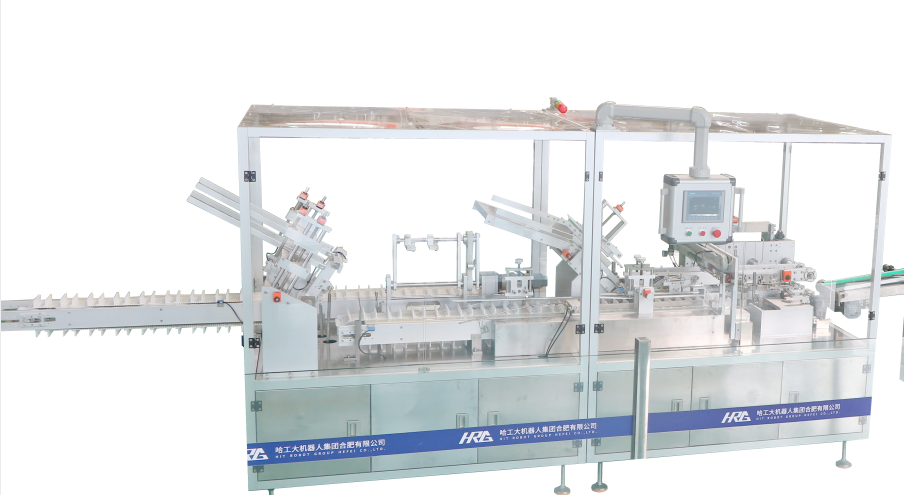
This becomes especially important when the blister machine is connected to other packaging equipment. In a fully automated pharmaceutical line, blister packs may move directly into a cartoner or other secondary packaging equipment. If the equipment does not operate at compatible speeds, a bottleneck can develop between processes. Manufacturers should therefore consider the entire packaging line rather than evaluating the Blister Packing Machine as an isolated piece of equipment. Stable, synchronized production is often more valuable than simply pursuing maximum speed.
Changeover and Flexible Pharmaceutical Production
Production flexibility is increasingly important for manufacturers handling multiple products or package sizes. Frequent format changes can consume valuable production time, particularly when operators need to replace tooling, adjust settings, or verify the new format.
When comparing equipment, manufacturers should look at how changeover is performed in practice. Easy access to operating components, straightforward parameter adjustment, and repeatable settings can help reduce downtime between production batches. This is particularly useful for pharmaceutical facilities producing multiple SKUs in relatively small or medium batches.
A machine that supports efficient changeover can also make future production planning easier. Instead of selecting equipment only for today’s products, manufacturers can consider whether the machine will continue to support new formats and changing market requirements.
Hygiene, Quality Control, and Production Environment
asPharmaceutical packaging equipment must also fit the production environment. Areas that come into contact with products or packaging materials should be designed with cleaning and maintenance in mind. A machine that is difficult to clean or inspect can create unnecessary downtime and complicate routine production procedures.
Quality control is equally important. Stable machine operation helps maintain consistent blister dimensions, sealing quality, and product placement throughout a production batch. Depending on the application, manufacturers may also require inspection or rejection functions to identify defective packs automatically. These features become more valuable when the machine forms part of a larger automated packaging line, where reliable quality control helps prevent defective products from moving further downstream.
How Should You Choose the Right Blister Packing Machine?
There is no single configuration that works for every pharmaceutical manufacturer. The right choice depends on the relationship between the product, packaging material, production volume, package format, and future manufacturing plans.
Before making a decision, it is useful to review these questions:
- What tablets or capsules will be packaged?
- What level of moisture, light, or contamination protection is required?
- Which forming and lidding materials will be used?
- What blister dimensions and pack formats are required?
- What production capacity is actually needed?
- How often will the machine need to change between products?
- Does the equipment need to integrate with cartoning or other downstream systems?
For manufacturers evaluating a Blister Packing Machine, looking at these factors together provides a more practical basis for equipment selection. Rather than choosing a machine based on one headline specification, it is better to select a packaging solution that supports consistent quality, efficient production, flexible operation, and the requirements of the complete pharmaceutical packaging process.
FAQ
What products can be packaged with a blister packing machine?
Blister packaging machines are commonly used for tablets, capsules, and other pharmaceutical products that require unit-dose or cavity-based packaging. The appropriate configuration depends on product size, shape, feeding characteristics, and packaging requirements.
What materials can be used for pharmaceutical blister packaging?
Common options include PVC-based films, coated barrier films, and aluminum-based structures. The appropriate material depends on factors such as moisture and light sensitivity, product stability, storage conditions, and required shelf life.
How do I choose the right machine capacity?
Capacity should be based on actual production demand, product characteristics, packaging format, and the speed of connected equipment. A balanced production line is generally more practical than selecting equipment solely according to its maximum rated speed.
Can one machine handle different blister formats?
Many modern blister packaging machines can support multiple formats with appropriate tooling and adjustments. However, the actual range depends on the machine configuration, product dimensions, materials, and changeover design.